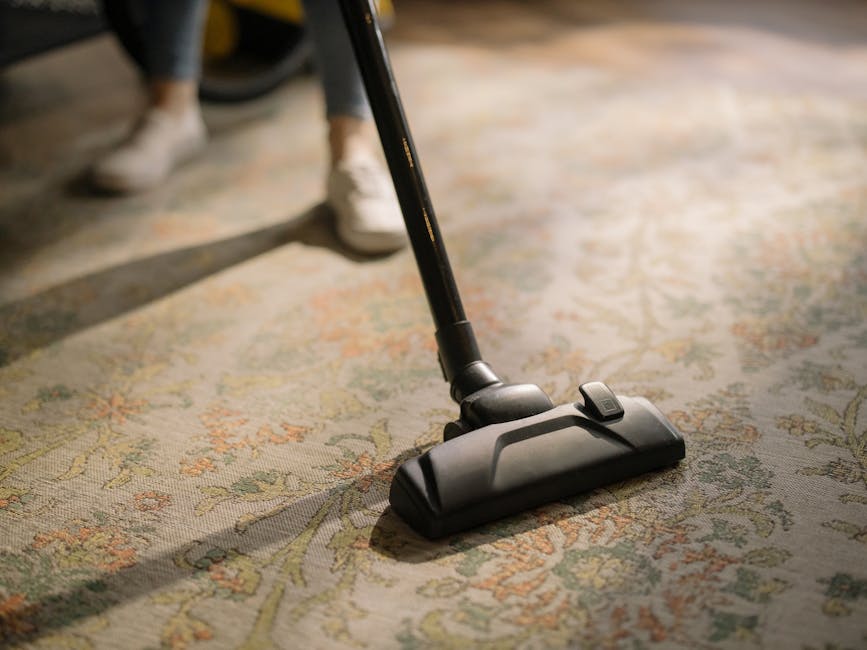
Walworth Road carpet cleaning and stain removal specialists
If you are dealing with a tired hallway runner, a coffee mark that will not budge, or that one mystery stain that keeps catching your eye every time you walk past, you are in the right place. Walworth Road carpet cleaning and stain removal specialists help restore carpets in busy homes, rented flats, shops, offices, and shared spaces where everyday life leaves its mark. The real value is not just making a carpet look better for a day or two. It is about proper stain treatment, fibre-safe cleaning, and a result that feels genuinely fresh underfoot. In a street as active as Walworth Road, that practical, no-nonsense approach matters.
Below, you will find a clear guide to how carpet cleaning and stain removal works, what methods are used, how to judge quality, and when specialist help makes sense. There is also a practical checklist, a comparison table, and a realistic example so you can make a sensible decision without guesswork.
Why Walworth Road carpet cleaning and stain removal specialists Matters
Carpets do a lot of invisible work. They soften noise, make rooms feel warmer, and absorb the general drift of daily life. On a practical level, though, they also trap grit, spills, pet dander, and odours. Near Walworth Road, where footfall can be constant and homes often see a mix of family traffic, visitors, deliveries, and street dust, carpets can lose their colour and texture faster than you might expect. One bad spill can set the tone for an entire room.
Specialist cleaning matters because not every mark should be treated the same way. Tea, wine, ink, makeup, food grease, and pet accidents all behave differently. Use the wrong method and you can spread the stain, set it deeper, or damage the pile. Truth be told, the most expensive mistake is often the one that seemed "quick and easy" at the time.
There is also the health and comfort angle. A proper clean can reduce the gritty feel underfoot and remove the damp, stale smell that sometimes hangs around after spills or heavy use. If you have children, pets, tenants moving in or out, or customers coming through a business premises, that matters quite a lot. It is not glamorous, but it is noticeable. You feel it when you walk in.
For landlords and managing agents, there is another reason. A stained carpet can become a dispute point at the end of a tenancy, especially if the damage looks avoidable. For homeowners, the bigger issue may simply be pride and comfort. Nobody wants to keep apologising for the patch by the sofa, do they?
In short, specialist carpet care is about preservation as much as appearance. It protects the investment already sitting in your floor and helps avoid premature replacement.
How Walworth Road carpet cleaning and stain removal specialists Works
Good carpet cleaning starts before any machine is switched on. A decent technician will identify the fibre type, assess the condition of the carpet, and inspect the stain closely. That first look matters because wool, synthetic blends, and delicate rugs all respond differently to moisture, heat, and chemistry. A heavy-handed clean can do more harm than the original stain, which is a bit annoying, to say the least.
In practice, the process usually follows a sensible sequence:
- Inspection - The cleaner checks fibre type, wear, soiling level, and stain history.
- Dry soil removal - Loose grit is removed so it does not turn into mud during cleaning.
- Pre-treatment - Safe solutions are applied to loosen general dirt and break down staining where possible.
- Targeted stain treatment - Specific products or techniques are chosen for the mark in question.
- Deep cleaning - This may be hot water extraction, steam carpet cleaning, or another suitable method.
- Rinse and residue removal - The carpet is rinsed so cleaning agents do not linger and attract more dirt.
- Drying and finishing - Pile grooming, airflow, and drying advice help the carpet recover properly.
There is a practical difference between general carpet cleaning and stain removal. General cleaning lifts overall soiling. Stain removal is more surgical. It looks at the chemistry of the mark itself. A red wine stain is not just "red stuff" in fibres; it has pigments and compounds that react differently depending on how long they have been there, whether heat was used, and whether you blotted or rubbed it. Yes, rubbing. People still do it. We all panic sometimes.
Stain treatment is often as much about restraint as effort. The wrong brush, the wrong temperature, or too much solution can set the stain or distort the pile. That is why the best results tend to come from careful diagnosis rather than a one-size-fits-all promise.
Key Benefits and Practical Advantages
The obvious benefit is a cleaner carpet. But there is more going on than surface appearance. If the work is done properly, you should notice a fuller pile, fresher colour, and a room that simply feels more looked after.
- Better appearance - Regular traffic lanes and patchy marks become less obvious.
- Improved hygiene - Dirt, allergens, and residues are reduced rather than just masked.
- Odour control - Spills and pet-related smells are dealt with at source when possible.
- Longer carpet life - Removing embedded grit helps reduce fibre wear.
- Better rental presentation - Useful for viewings, inspections, and end-of-tenancy handovers.
- More reliable stain outcomes - Specialist products are matched to the stain type, not guessed at.
One benefit people sometimes overlook is confidence. When carpets look clean, everything else in the room feels a little easier to manage. A sofa looks better, skirting boards look less dusty, even lighting seems kinder. Small thing, maybe. But it changes how a space feels.
There is also a time-saving advantage. Trying three different supermarket cleaners on one mark can chew up an entire afternoon and still leave you disappointed. A specialist approach is usually faster in the long run because it avoids trial and error.
Who This Is For and When It Makes Sense
Walworth Road carpet cleaning and stain removal specialists are useful for a broad range of people, but the most common cases are easy to spot.
- Homeowners wanting to refresh living rooms, stairs, and bedrooms.
- Renters trying to improve the condition of a property before moving out.
- Landlords and letting agents who need carpets presentable between tenancies.
- Families with children dealing with frequent spills and tracked-in dirt.
- Pet owners who need help with odours, accidents, and hair-related build-up.
- Offices and small businesses needing a smarter reception, corridor, or meeting-room finish.
- Hospitality and short-let hosts who want spaces to feel clean quickly between stays.
It makes sense to book specialist help when a stain has started to settle, when the carpet has lost its brightness, or when a room needs to look presentable for an inspection, event, or guest arrival. If you are staring at a mark and thinking, "I should probably not make this worse," that is a fair sign.
Sometimes the trigger is not a big disaster. It is a collection of small things: footsteps by the door, dull traffic lanes, a smell after rainy weather, or a hallway that just looks flat in daylight. In a London terrace or flat, those details add up quickly.
Step-by-Step Guidance
If you want to understand what good carpet cleaning looks like, it helps to break it down. This is the part where the work stops being vague and starts making sense.
1. Identify the carpet and the stain
First, work out what you are dealing with. Wool, synthetic, and blended carpets all react differently. Then identify the stain if you can. Coffee, grease, wine, pet urine, mud, ink, and cosmetics all need different treatment paths. Guessing is where trouble begins.
2. Test before treatment
A careful cleaner will test products in a discreet area first. That step protects colour and fibre structure. It sounds small, but it is a sign of professionalism.
3. Pre-treat the area
Pre-sprays or targeted stain solutions loosen soil and begin breaking down residues. This helps reduce the amount of aggressive scrubbing needed later.
4. Use the right cleaning method
Depending on the carpet and condition, the cleaner may use steam carpet cleaning, hot water extraction, or a lower-moisture method for more delicate materials. The goal is to clean deeply without over-wetting the carpet backing.
5. Extract and rinse
Good extraction removes soil and cleaning residue. If residue is left behind, the carpet can resoil faster. That is one of those annoying little things you only notice after the fact.
6. Treat stubborn stains again if needed
Some stains need a second pass with a different agent or technique. A professional will know when to stop and when to continue. Overworking the same spot can do damage, so caution matters.
7. Dry properly
Finally, drying needs to be managed well. Open windows if the weather allows, use airflow where appropriate, and avoid walking heavily on damp pile. If possible, leave protective pads or towels in place in high-traffic areas for a short while.
Practical note: if a stain is still faint after cleaning, that does not always mean the process failed. Some marks are permanent or have chemically altered the fibre. The honest answer is sometimes "reduced, not fully removed." That is better than a false promise.
Expert Tips for Better Results
There are a few simple habits that improve results, whether you are booking a specialist or dealing with a fresh spill before help arrives.
- Blot, do not rub - Rubbing drives liquid deeper and roughs up the fibres.
- Act early - Fresh stains are always easier than old ones.
- Use cool water first for many spills - Especially with food or drink marks. Heat can set some stains.
- Avoid oversoaking - Too much liquid can spread the stain and affect the underlay.
- Keep cleaning products simple - A random cocktail of sprays can create a bigger problem.
- Ventilate after cleaning - Fresh air helps drying and reduces lingering odour.
- Protect cleaned areas - Shoes, pets, and furniture legs can undo the work if you rush back in too soon.
One small but useful tip: take a photo of the stain before any treatment. It gives you a clear record of what changed and helps if you are managing a rental property or comparing service outcomes. Simple, but handy.
And if you are cleaning at home, resist the urge to keep checking every five minutes. The carpet needs time to dry and settle. Humans are impatient, carpets are not. Fair enough.
Common Mistakes to Avoid
Most carpet problems after a spill are caused by well-meant mistakes. That is the frustrating part. People are trying to help, just in a slightly chaotic way.
- Using bleach or harsh household cleaners - These can strip colour or damage fibres.
- Scrubbing aggressively - This can distort the pile and spread the stain.
- Using too much detergent - Leftover residue attracts dirt.
- Applying heat too soon - Some stains become more stubborn when heated.
- Waiting too long - Old stains are much harder to lift cleanly.
- Cleaning without identifying the stain - Different stains need different methods.
- Ignoring the backing and underlay - Surface looks can hide deeper moisture or contamination.
A mistake many people make is assuming the visible mark is the whole story. With pet accidents, for example, odour can remain even when the top fibres look fine. That is where targeted pet stain and odour treatment becomes useful, because the issue is not only cosmetic.
Another common one is trying to speed up drying with excessive heat from a hairdryer or heater. That can work in some situations, but it can also set a stain edge or make the pile look uneven. Gentle airflow is usually safer.
Tools, Resources and Recommendations
The right tools make a big difference, especially for stain removal. A serious cleaning setup is not just a vacuum and a bottle of spray. It is a combination of inspection tools, chemistry, agitation, extraction, and drying support.
| Tool or Method | Best Used For | Why It Helps |
|---|---|---|
| Vacuum cleaner with strong suction | Dry soil and loose debris | Removes grit before wet cleaning starts |
| Pre-spray treatment | Overall soil and traffic lanes | Loosens dirt so extraction can lift it more effectively |
| Targeted stain remover | Specific marks like wine, coffee, grease, or ink | Matches chemistry to the stain rather than guessing |
| Hot water extraction | Deep carpet cleaning | Flushes out soil and residues from deeper in the pile |
| Microfibre cloths and blotting pads | Fresh spills | Helps lift liquid without pushing it further in |
| Air mover or open ventilation | Drying support | Shortens drying time and helps prevent musty smells |
For broader property upkeep, many customers also look at related services such as steam carpet cleaning for deeper fibre refresh, stain removal for stubborn marks, and pet stain and odour removal when accidents go below the surface. In homes with rugs or soft furnishings, rug cleaning and sofa cleaning often make sense at the same time.
It is also worth checking practical essentials before you book anything. Service standards, insurance and safety, and health and safety policy details are not glamorous reading, but they tell you a lot about how the work is handled. Pricing should be transparent too, so take a look at pricing and quotes if you want to understand what to expect.
Law, Compliance, Standards, or Best Practice
There is no single public rulebook for carpet cleaning that every property must follow, but there are clear expectations around safe working, honest service, and responsible waste handling. In the UK, reputable cleaners should operate with sensible insurance, suitable equipment, and a process that avoids damaging property or creating hazards. That means good practice matters just as much as the final shine.
For tenants and landlords, cleanliness expectations often sit within tenancy agreements and move-in or move-out condition reports. If a carpet was already stained, that is a different matter from new damage during occupation. A sensible record helps everyone. No drama, no guessing. Just evidence.
In commercial spaces, employers and operators should consider slip risk during drying, signage if floors are damp, and general safety around equipment and cables. A professional approach keeps disruption down. It also helps if the cleaner has clear policies around public access, products used, and aftercare advice.
When sustainability matters, ask about product selection, water use, and disposal practices. Some cleaners offer approaches that reduce waste or use more efficient processes. If that is important to you, the cleaner's recycling and sustainability approach is worth reviewing. Small choices add up.
Finally, if you are comparing providers, it is sensible to check basic business information, terms, and complaint handling. Pages like about us, terms and conditions, and complaints procedure can tell you whether the business is organised and accountable.
Options, Methods, or Comparison Table
Not every carpet needs the same approach. The best method depends on fibre type, stain severity, drying time, and how much disturbance you can tolerate. Here is a simple comparison that helps narrow things down.
| Method | Best For | Strengths | Watch Outs |
|---|---|---|---|
| Hot water extraction | Most domestic carpets, general deep cleaning | Strong soil removal, good for heavy use | Longer drying time if overused or poorly managed |
| Steam-style carpet cleaning | Deep refresh and stubborn embedded dirt | Effective for many common household soils | Must be matched carefully to carpet type |
| Targeted stain treatment | Specific stains like wine, coffee, ink, grease | Focused and efficient | Not always enough on its own for old or layered marks |
| Low-moisture cleaning | Delicate carpets or faster turnaround needs | Quicker drying, less saturation | May be less aggressive on very dirty carpets |
| Pet-specific treatment | Urine, odour, and contamination below the surface | Addresses smell and residue more directly | May need more than one treatment depending on age and depth |
So which is best? That depends on the carpet in front of you, not a brochure claim. In a family hallway with tracked-in dirt, hot water extraction can be a strong choice. For a fresh coffee spill on a light carpet, a targeted stain removal process might be enough. For an elderly wool rug, gentler handling usually makes more sense. There is no magic one-size solution. Anyone promising that is probably oversimplifying.
If you are booking alongside other household cleaning, it may be efficient to combine carpet work with deep cleaning, end of tenancy cleaning, or move-out cleaning. That can save time and give the property a more even finish.
Case Study or Real-World Example
Here is a realistic example based on a common situation. A small flat near Walworth Road has a pale carpet in the living room and hallway. Over the winter, foot traffic has left a greyish path near the entrance. There is also a coffee stain near the sofa and a faint smell where a pet had one accident months ago. Nothing dramatic. Just enough to make the room feel less fresh every time the lights come on in the evening.
The first step is inspection. The cleaner checks whether the carpet is synthetic or wool, identifies the high-traffic areas, and tests the stain response in a hidden spot. The general soiling needs a full clean, while the coffee spot gets a separate treatment. The pet area requires a different product because odour and residue sit deeper than the visible mark.
After dry vacuuming, the cleaner applies pre-treatment, works gently on the stain area, and then uses extraction across the room. The carpet is not soaked. That part matters. The result is not "brand new", because let's be fair, life happened there. But the room looks lighter, the hallway feels cleaner, and the smell has gone from noticeable to neutral. That is the kind of result most people actually want.
What made the difference? A proper sequence, the right products, and patience. Not brute force. Not three supermarket sprays and a hopeful shrug.
Practical Checklist
Before you book a cleaning service, run through this quick checklist. It saves time and helps you ask better questions.
- Identify the main problem: stain, odour, traffic lanes, or general dullness
- Note the carpet type if you know it
- Check whether the stain is fresh or old
- Photograph the damaged area before treatment
- Ask what cleaning method is likely to be used
- Confirm whether stain removal is included or quoted separately
- Ask about drying expectations and access needs
- Check insurance and safety information
- Clarify whether delicate fibres need special handling
- Plan for ventilation after cleaning
- Protect the area from heavy foot traffic while it dries
Expert summary: the best carpet cleaning outcome usually comes from the right method, the right timing, and realistic expectations. Fresh stains are easier than old ones, but even older marks can often be improved significantly with proper treatment.
Conclusion
Walworth Road carpet cleaning and stain removal specialists do more than tidy up a room. They help restore comfort, protect flooring, and deal with the awkward marks that everyday life leaves behind. Whether you are preparing for a tenancy inspection, refreshing a family home, or improving a busy commercial space, the right approach makes a visible difference.
The key is choosing care over guesswork. Identify the stain properly, use methods suited to the carpet, and work with a provider who understands the difference between quick cleaning and genuine stain treatment. That is where the real value sits.
If your carpet is starting to look tired, or one stain has been annoying you far too long, now is a sensible time to act. Contact us to discuss the best approach for your carpets and get straightforward advice that fits the job, not just the brochure. Sometimes a small intervention brings the whole room back to life.
Get a free quote today and see how much you can save.
Frequently Asked Questions
How do Walworth Road carpet cleaning and stain removal specialists treat old stains?
Old stains usually need a combination of inspection, pre-treatment, and targeted stain removal. The longer a stain has been in the fibres, the more likely it is to bond with the carpet or change chemically. A specialist can often reduce the mark even if complete removal is not possible.
Is steam carpet cleaning safe for most carpets?
It can be, but only when it is matched to the carpet type and used with the right moisture control. Synthetic carpets often tolerate it well, while some delicate fibres need more caution. The method matters more than the label.
How long does carpet drying usually take after cleaning?
Drying time depends on carpet type, room airflow, humidity, and how much moisture was used. A well-managed clean should not leave the carpet wet for ages, but it is sensible to allow proper ventilation and keep traffic light until fully dry.
Can pet odours be removed completely?
Sometimes yes, sometimes partly. It depends on how deep the contamination went and how long it has been there. Surface cleaning helps, but deeper odours may require specialist pet stain and odour removal because the source can sit below the visible fibres.
What is the difference between carpet cleaning and stain removal?
Carpet cleaning deals with overall dirt, dullness, and residue across a wider area. Stain removal targets a specific mark, using chemistry and technique suited to that stain. They often work together, but they are not the same thing.
Will carpet cleaning remove all marks?
Not always. Many marks can be improved dramatically, but permanent dye transfer, fibre damage, or very old stains may not disappear fully. A trustworthy cleaner should explain that clearly rather than overpromise.
How often should carpets be professionally cleaned?
That depends on foot traffic, pets, children, and whether the property is domestic or commercial. Busy households and rental properties often need more frequent care than low-use rooms. The best schedule is the one that keeps wear under control.
Can I clean a stain myself before calling a specialist?
Yes, but keep it gentle. Blot the area, use cool water for many spills, and avoid scrubbing or applying heat. If the stain is large, coloured, greasy, or unknown, it is safer to stop and get advice before making it worse.
Do carpet cleaners need access to water or electricity?
Most professional carpet cleaning equipment needs electricity, and some methods need access to water as well. It is a good idea to confirm access requirements in advance so the appointment runs smoothly.
What should I ask before booking carpet cleaning?
Ask about the cleaning method, stain treatment options, drying time, insurance, pricing structure, and whether the cleaner has experience with your carpet type. A few clear questions up front can save a lot of faffing later.
Are carpet cleaning products safe for children and pets?
They should be used carefully and according to guidance, with proper ventilation and drying time. If you have young children or pets, ask what products are used and what aftercare is recommended before normal room use resumes.
Can carpet cleaning help with allergies?
It can help reduce dust, debris, and residues trapped in the carpet, which may improve comfort for some people. It is not a medical treatment, of course, but a cleaner carpet can make a room feel fresher and less dusty.
Where can I find more information about your services?
You can start by reviewing the available service pages such as carpet cleaning, stain removal, and the company's about us information to understand the approach and service scope.